Architecture & Spatial Development

Spaces should not only be designed. They should support the purpose of the project.

OAA develops spatial concepts and project structures where architecture, brand identity, commercial function and user experience work together.

The focus is not limited to visual design. A successful space must reflect the purpose of the project, support its operational model and create a clear experience for the people who use it.

OAA approaches architecture and spatial development as a bridge between concept, business function, brand perception and project execution.
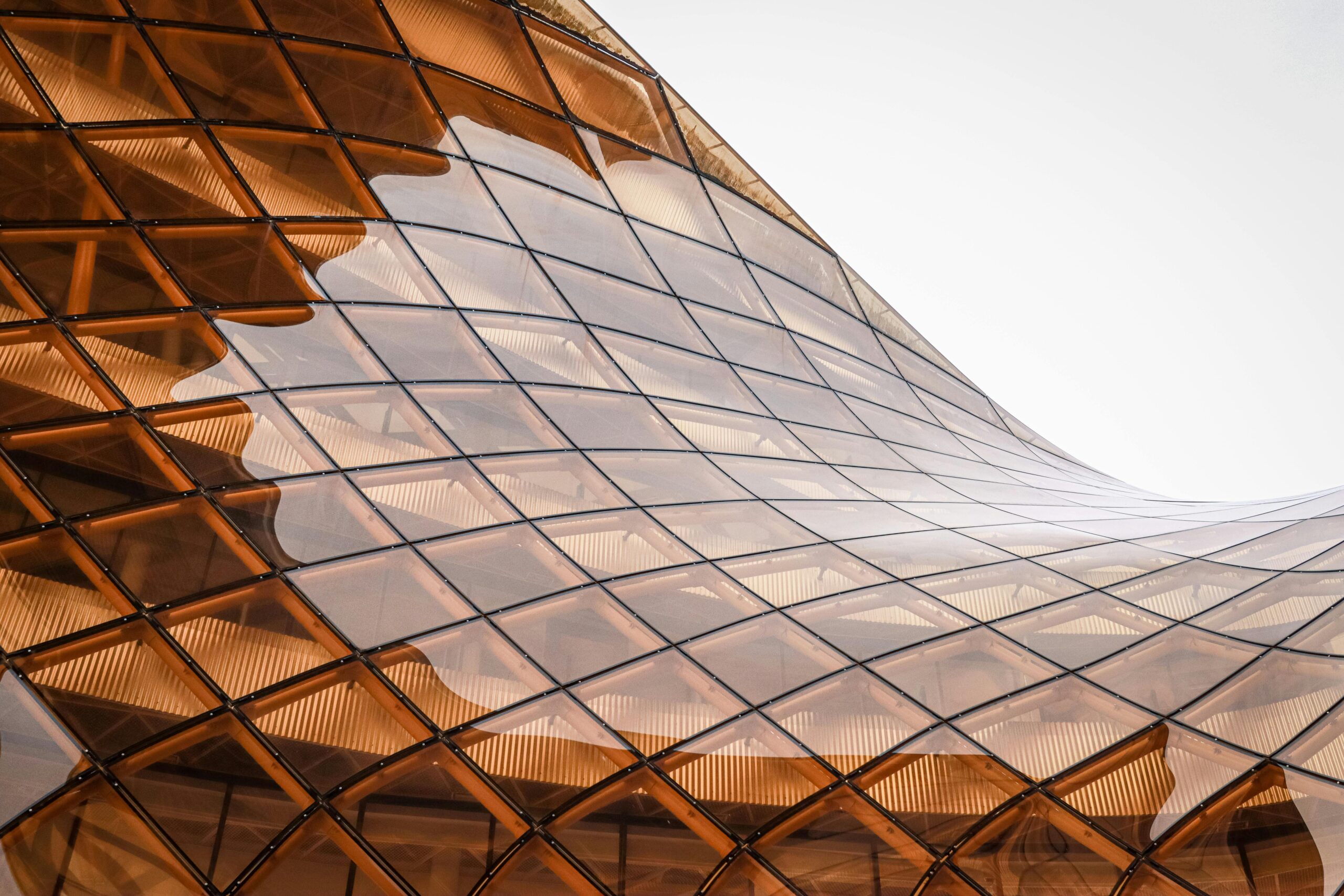

Dynamic architectural structure with a flowing design in Malmö, Sweden.

A space becomes valuable when it is connected to a clear commercial or institutional purpose.

Many projects begin with design references but lack a defined spatial strategy.

Before materials, forms or visuals are selected, the role of the space must be clear: what it should communicate, how it should function, who it should serve and what kind of experience it should create.

OAA works on this strategic layer before the project moves into detailed architectural or technical development.

Spatial Concept Development

OAA can develop the conceptual direction of a space before it becomes a full architectural project.

This may include the spatial story, functional zoning, brand alignment, customer flow, atmosphere, material direction, visual references and experience logic.

The aim is to create a clear concept that can guide designers, architects, engineers, investors and project stakeholders.

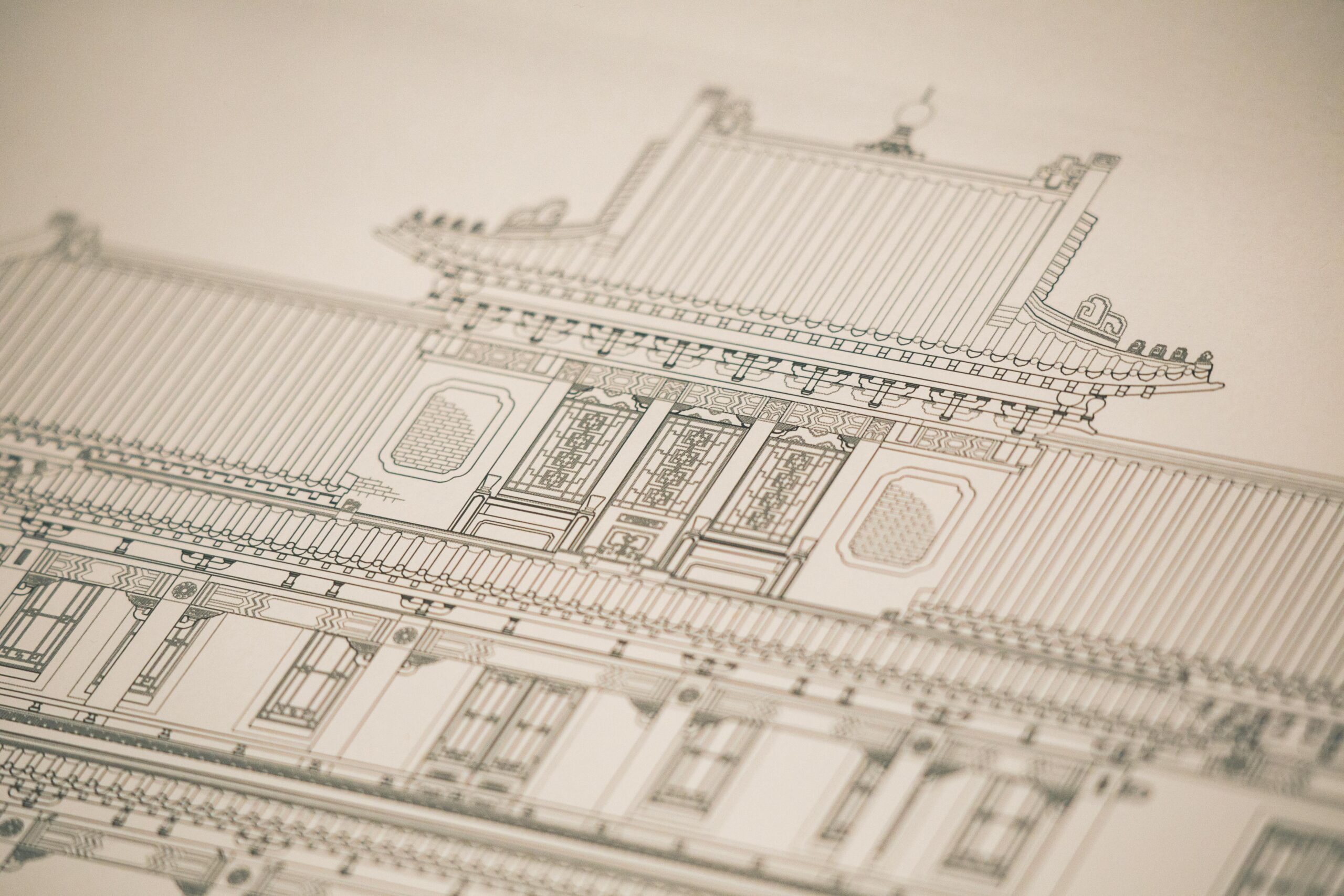
Architect sketching building plans with pencils on a desk, showcasing creative design process.

Development Areas

Commercial Space Concepts

Developing spatial structures for retail, showroom, office, hospitality, lifestyle and customer-facing commercial environments.

Brand-Aligned Interiors

Creating interior directions that reflect the brand’s positioning, tone, customer profile and commercial objectives.

Hospitality & Lifestyle Concepts

Developing concepts for hotels, lounges, restaurants, cafes, private clubs, guest spaces and experience-driven environments.

Showroom & Retail Environments

Structuring spaces where products, services or brands need to be presented clearly and commercially.

Office & Work Environments

Developing workplace concepts that support hierarchy, workflow, internal culture and operational use.

Experience-Based Spaces

Creating environments designed around customer interaction, emotional response, storytelling and brand experience.

Concept Packages

Preparing visual and written concept packages that may include moodboards, references, spatial direction, layout logic and design narrative.

Project Coordination Support

Supporting coordination between concept, design, technical teams, suppliers and project stakeholders.

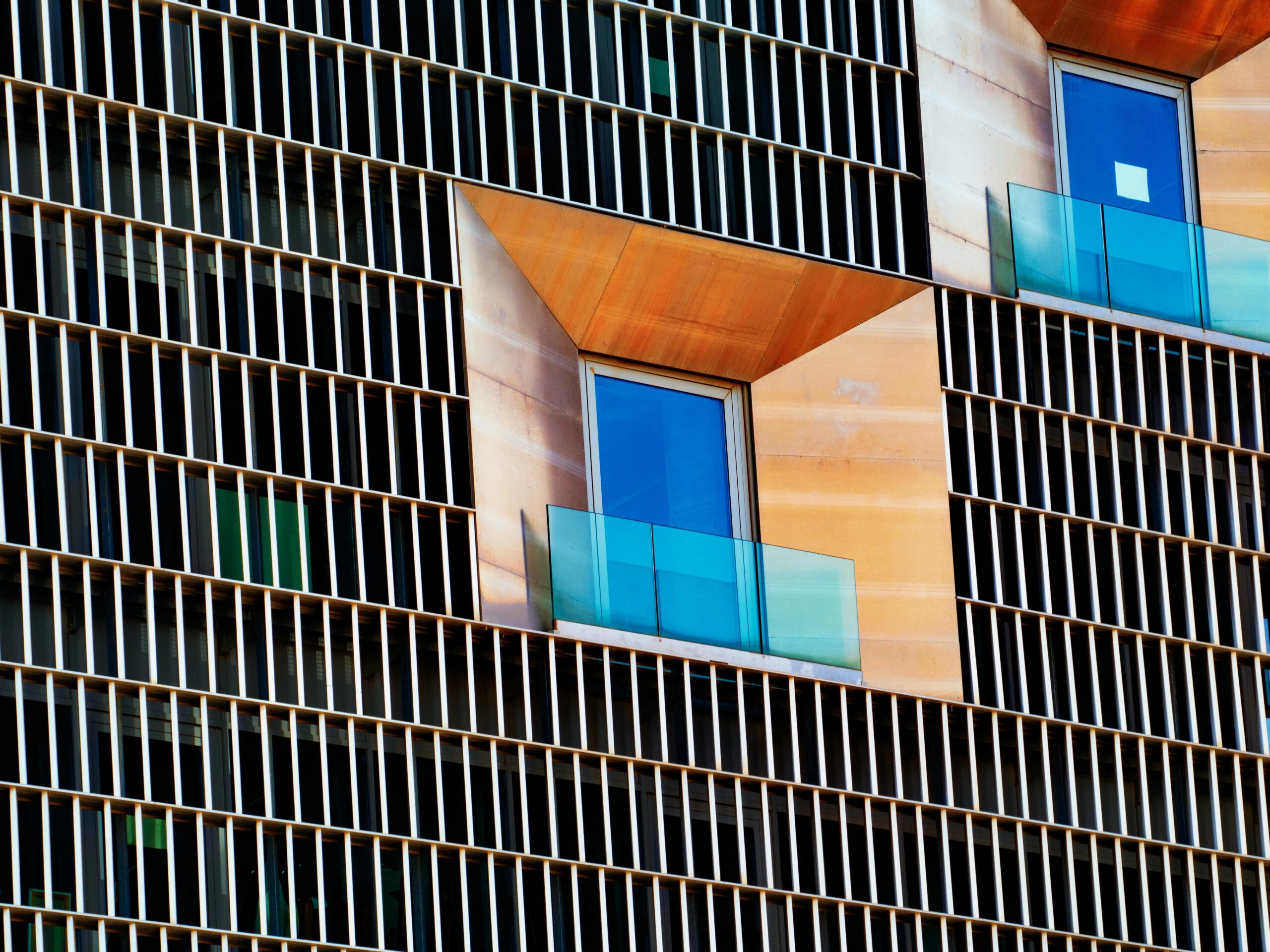
Close-up of modern building facade with unique window designs in Zaragoza, Spain.

Brand, Space & Business Connection

A strong space should not feel disconnected from the brand or the business model.

For commercial projects, spatial decisions affect how customers move, how products are perceived, how teams operate and how the brand is remembered.

OAA connects spatial development with brand positioning, customer experience and operational use so that the project does not remain only visually attractive, but becomes commercially meaningful.


Project Contexts

Architecture & Spatial Development may support:

Retail spaces, showrooms, offices, hospitality projects, lounges, restaurants, cafes, innovation centers, branded environments, lifestyle spaces, commercial interiors, project presentations and investor-facing concept developments.

This service is especially relevant for projects that need a clear spatial identity before moving into detailed design, technical development or implementation.

Collaboration Model

OAA’s role may vary depending on the project.

In some projects, OAA may develop the spatial concept, narrative and commercial direction. In others, it may support project coordination, presentation preparation or alignment between the brand, business model and design teams.

Where detailed architectural, engineering or implementation processes are required, OAA may work in coordination with Atilla Group and relevant technical partners.

Commercial & Project Outcome

The objective is to create spatial concepts that are clear, usable and connected to the purpose of the project.

A well-developed spatial structure can improve brand perception, customer experience, operational flow, investor communication and project readiness.

OAA focuses on turning spatial ideas into structured project concepts that can guide design, presentation and execution.

A space should not only look impressive.
It should explain the project, support its function and strengthen its value.