Innovation needs more than ideas. It needs a structure where ideas can be developed.
A practical development role.
Overview
The role of this capability.
OAA develops innovation and development center concepts designed to support entrepreneurship, education, creativity, technology adoption and project creation.
These centers are not approached as symbolic spaces, but as structured platforms where people, institutions and ideas can meet around a clear development purpose.
The focus is to create environments that can generate projects, build skills, support collaboration and contribute to long-term institutional or regional value.
Center strategy & concept.
Explore the development areas. Open a card for its complete scope.
Center strategy & concept
Strategic Role
The role of an innovation center is not to look modern. It is to produce activity, capability and value. Many innovation spaces fail because they are designed as buildings before their purpose, program and operating model are defined. A real development center needs a clear reason to exist. It must answer practical questions: who will use it, what will be produced there, which programs will run, how it will be managed and how it will create measurable value. OAA approaches innovation centers through this operational lens.
The role of an innovation center is not to look modern. It is to produce activity, capability and value.
Many innovation spaces fail because they are designed as buildings before their purpose, program and operating model are defined.
A real development center needs a clear reason to exist. It must answer practical questions: who will use it, what will be produced there, which programs will run, how it will be managed and how it will create measurable value.
OAA approaches innovation centers through this operational lens.
Center strategy & concept
Center Concept
OAA can support the development of the center’s core concept, purpose, identity and functional structure. This includes defining the type of center to be created: an entrepreneurship hub, creative development space, technology learning center, youth innovation platform, business incubation environment, institutional innovation unit or regional development center. The concept is built around the center’s target users, institutional objectives, local conditions and long-term development role.
OAA can support the development of the center’s core concept, purpose, identity and functional structure.
This includes defining the type of center to be created: an entrepreneurship hub, creative development space, technology learning center, youth innovation platform, business incubation environment, institutional innovation unit or regional development center.
The concept is built around the center’s target users, institutional objectives, local conditions and long-term development role.
Center strategy & concept
Program Architecture
A center becomes meaningful only when it has a program structure. OAA develops program frameworks that may include entrepreneurship training, project development workshops, mentoring models, technology awareness programs, creative production sessions, business development modules and institutional collaboration activities. The objective is to prevent the center from becoming an empty facility and to turn it into an active platform with a clear rhythm of use.
A center becomes meaningful only when it has a program structure.
OAA develops program frameworks that may include entrepreneurship training, project development workshops, mentoring models, technology awareness programs, creative production sessions, business development modules and institutional collaboration activities.
The objective is to prevent the center from becoming an empty facility and to turn it into an active platform with a clear rhythm of use.
Functional components.
Functional components
Functional Components
Depending on the purpose of the center, the structure may include several functional layers:
Depending on the purpose of the center, the structure may include several functional layers:
Functional components
Learning Areas
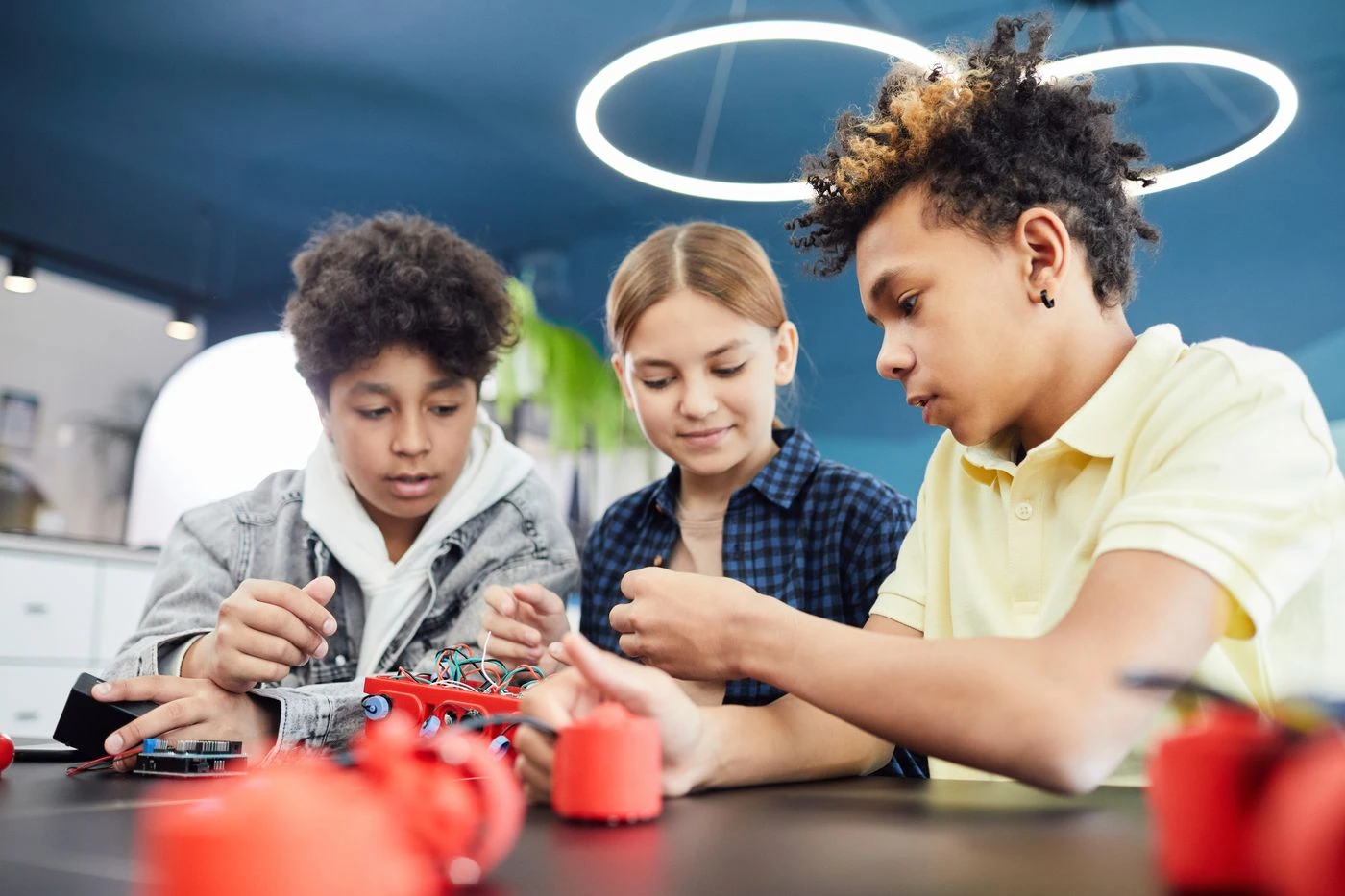
Spaces and programs designed for training, workshops, seminars and capability development.
Spaces and programs designed for training, workshops, seminars and capability development.
Functional components
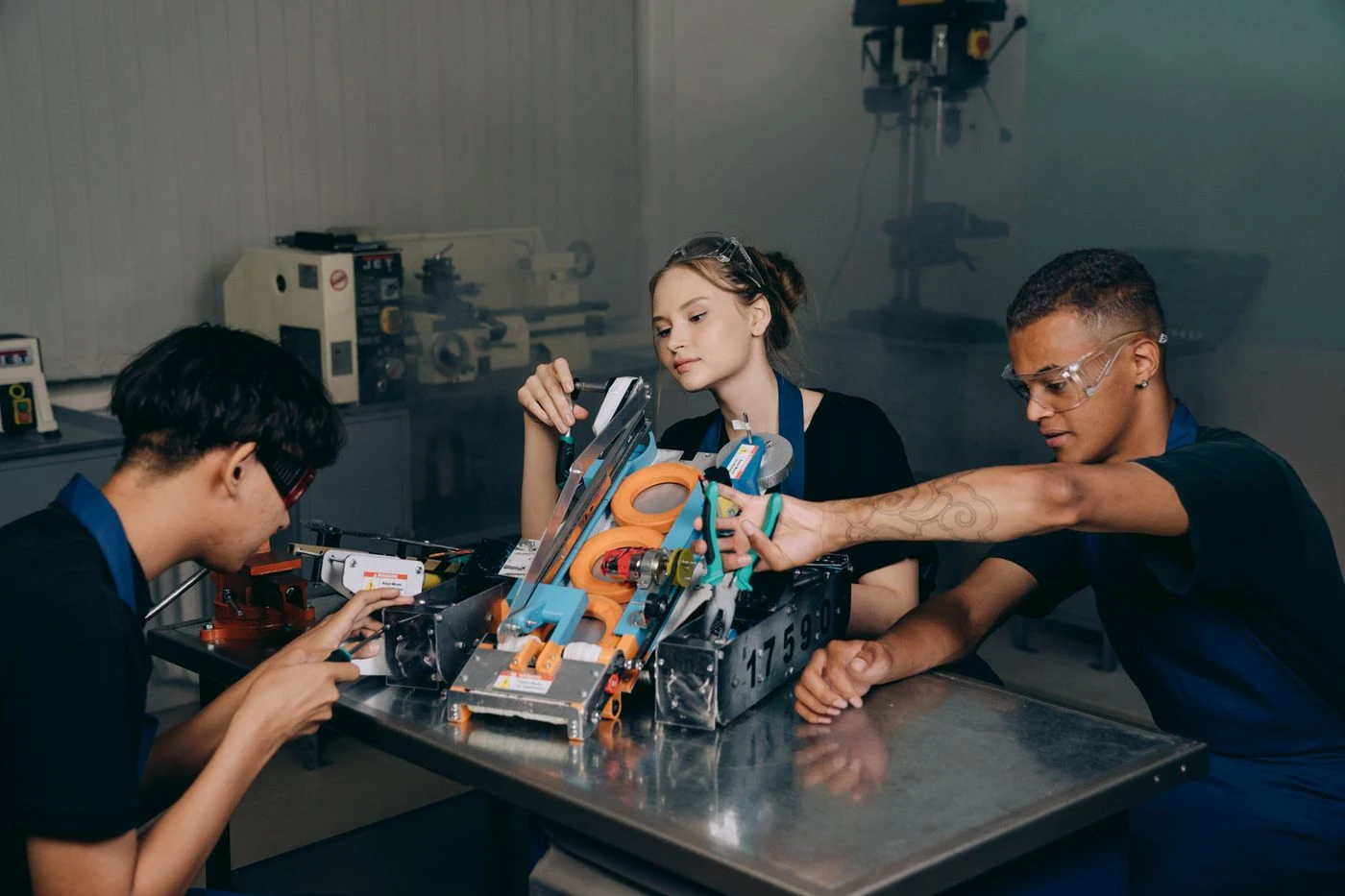
Project Development Areas
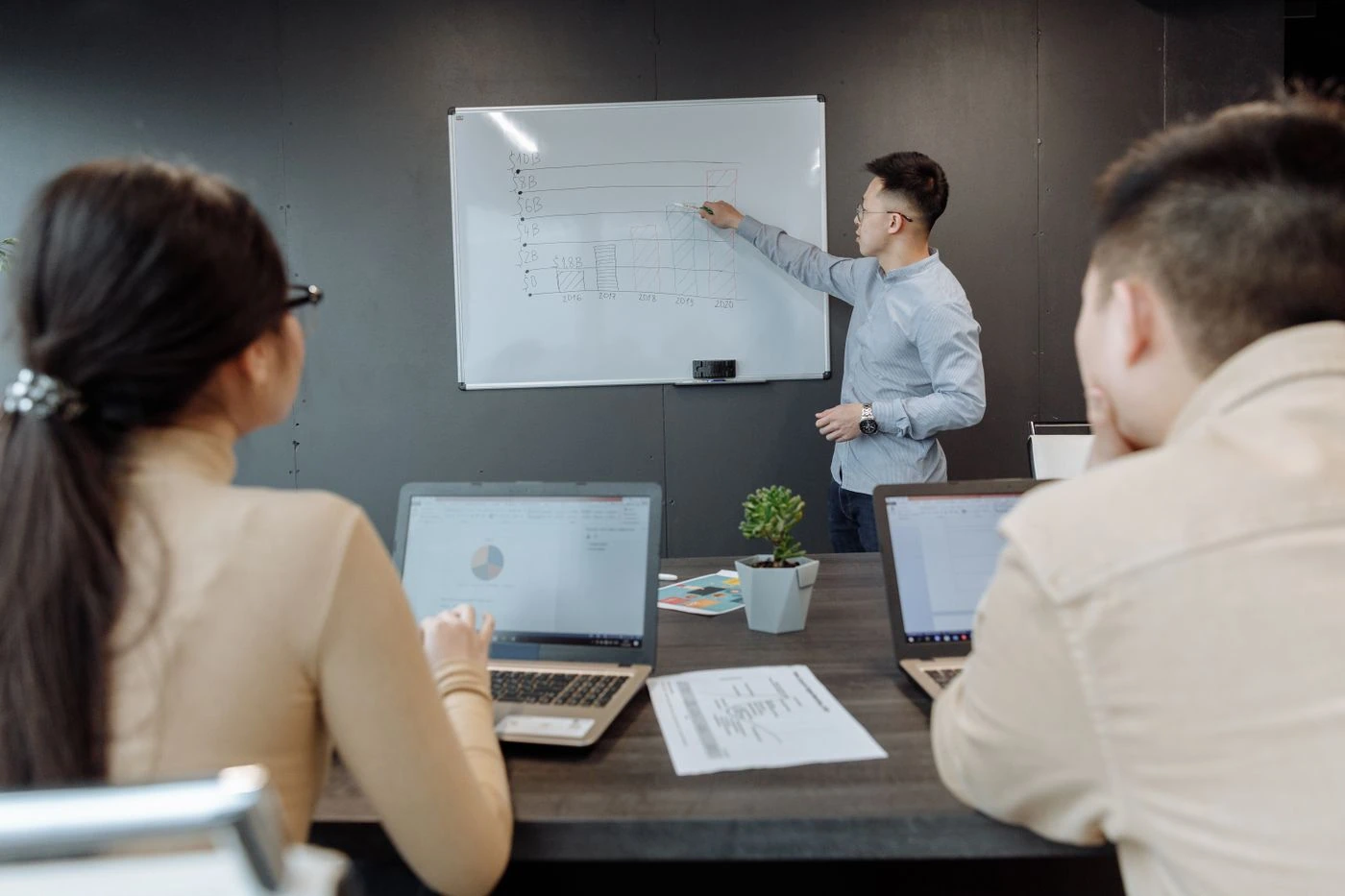
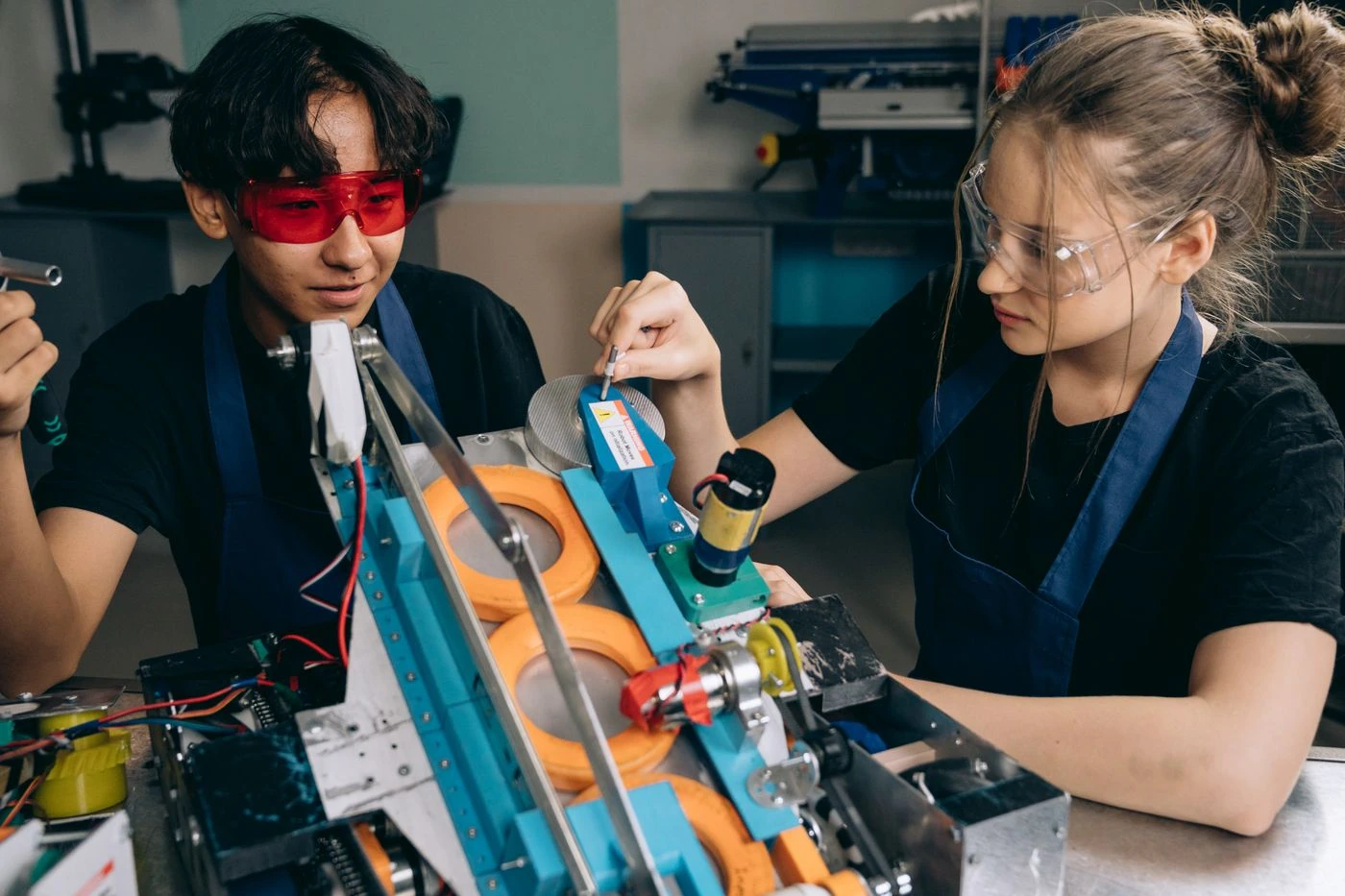
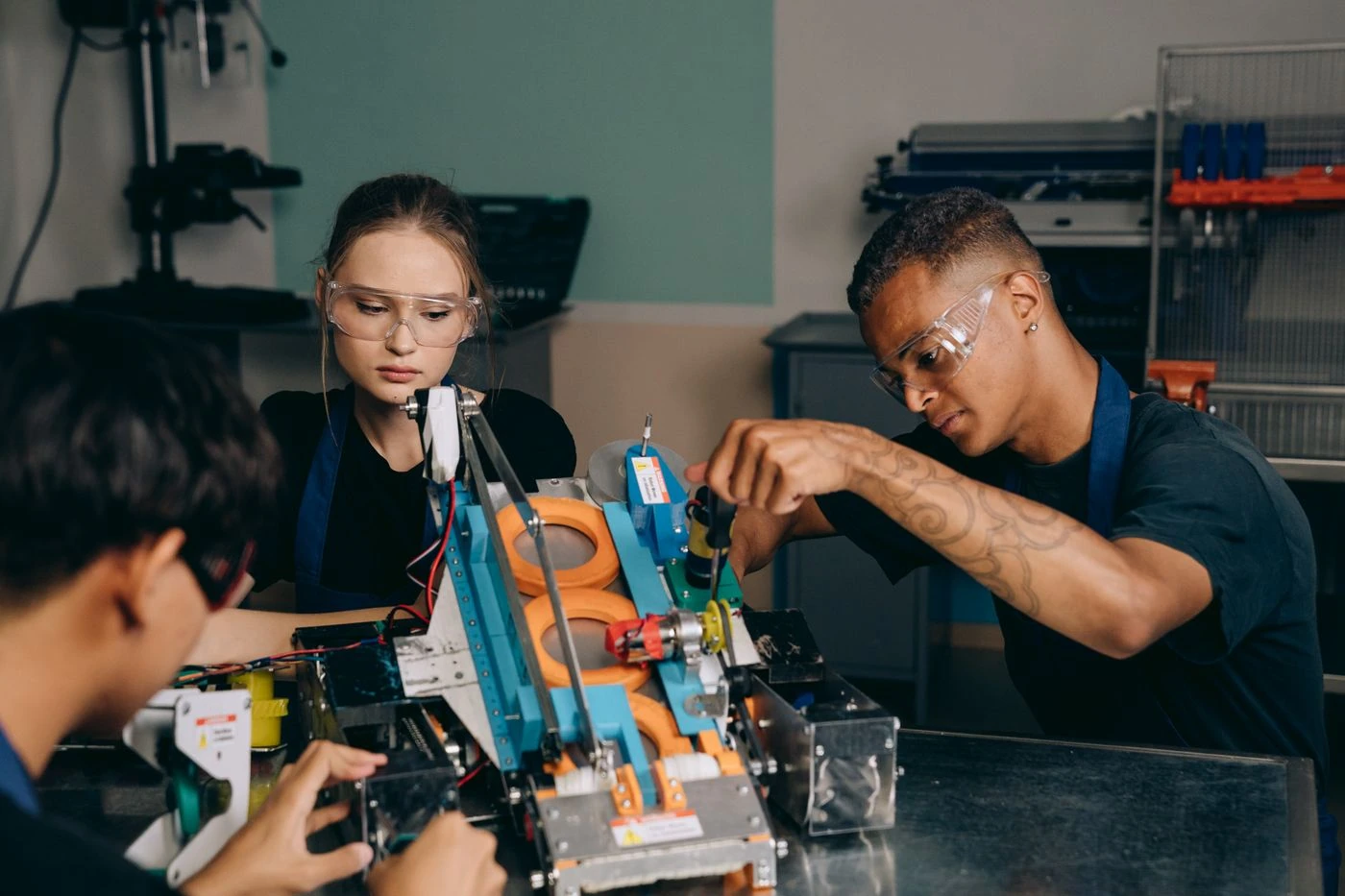
Environments where ideas can be shaped into practical projects, prototypes, business concepts or institutional initiatives.
Environments where ideas can be shaped into practical projects, prototypes, business concepts or institutional initiatives.
Functional components
Incubation & Mentoring Structures
Support models for entrepreneurs, stdents, creators or early-stage project teams.
Support models for entrepreneurs, stdents, creators or early-stage project teams.
Functional components
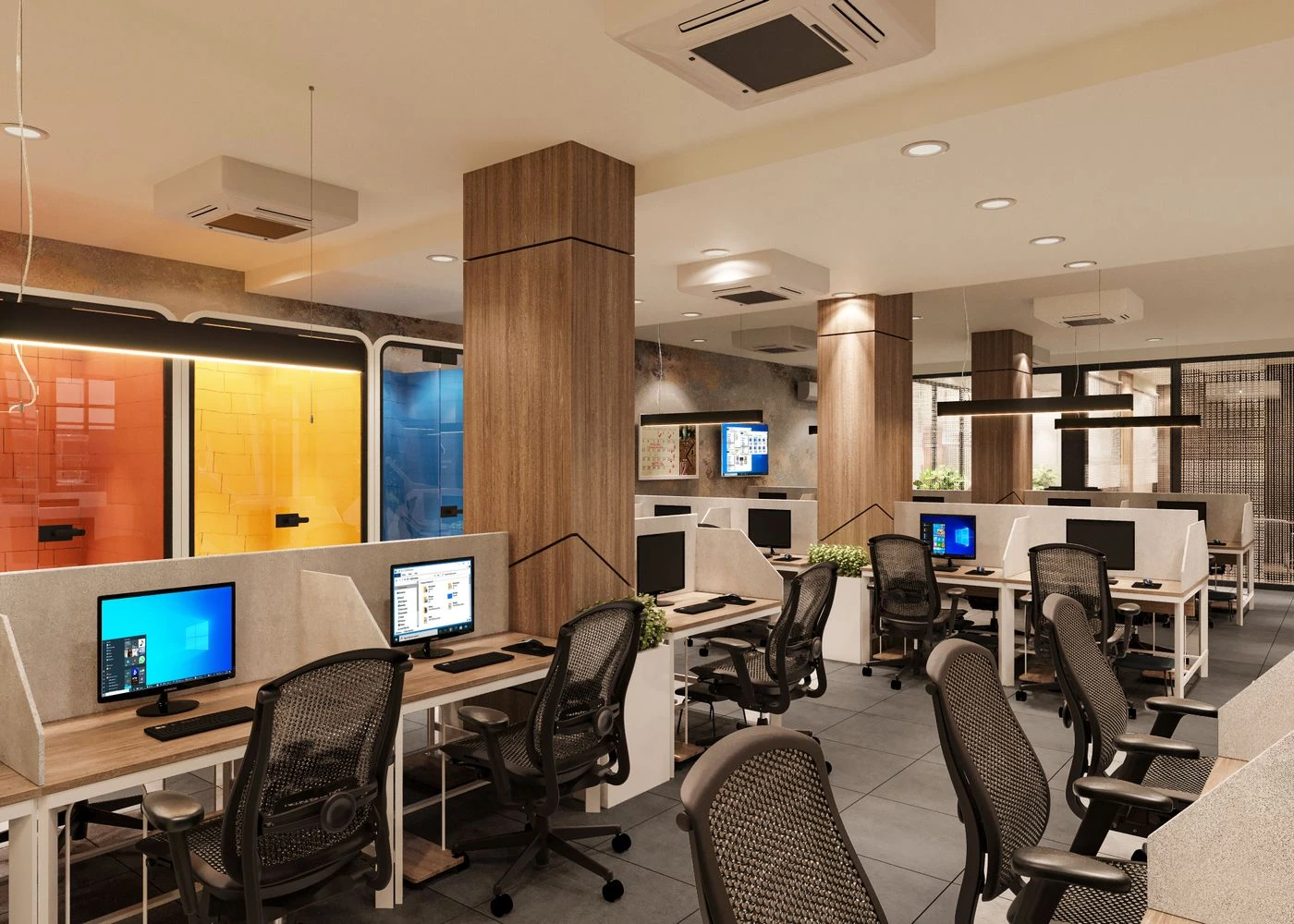
Creative & Digital Production Areas
Spaces that may support content creation, digital tools, design work, media production or technology-based learning.
Spaces that may support content creation, digital tools, design work, media production or technology-based learning.
Functional components
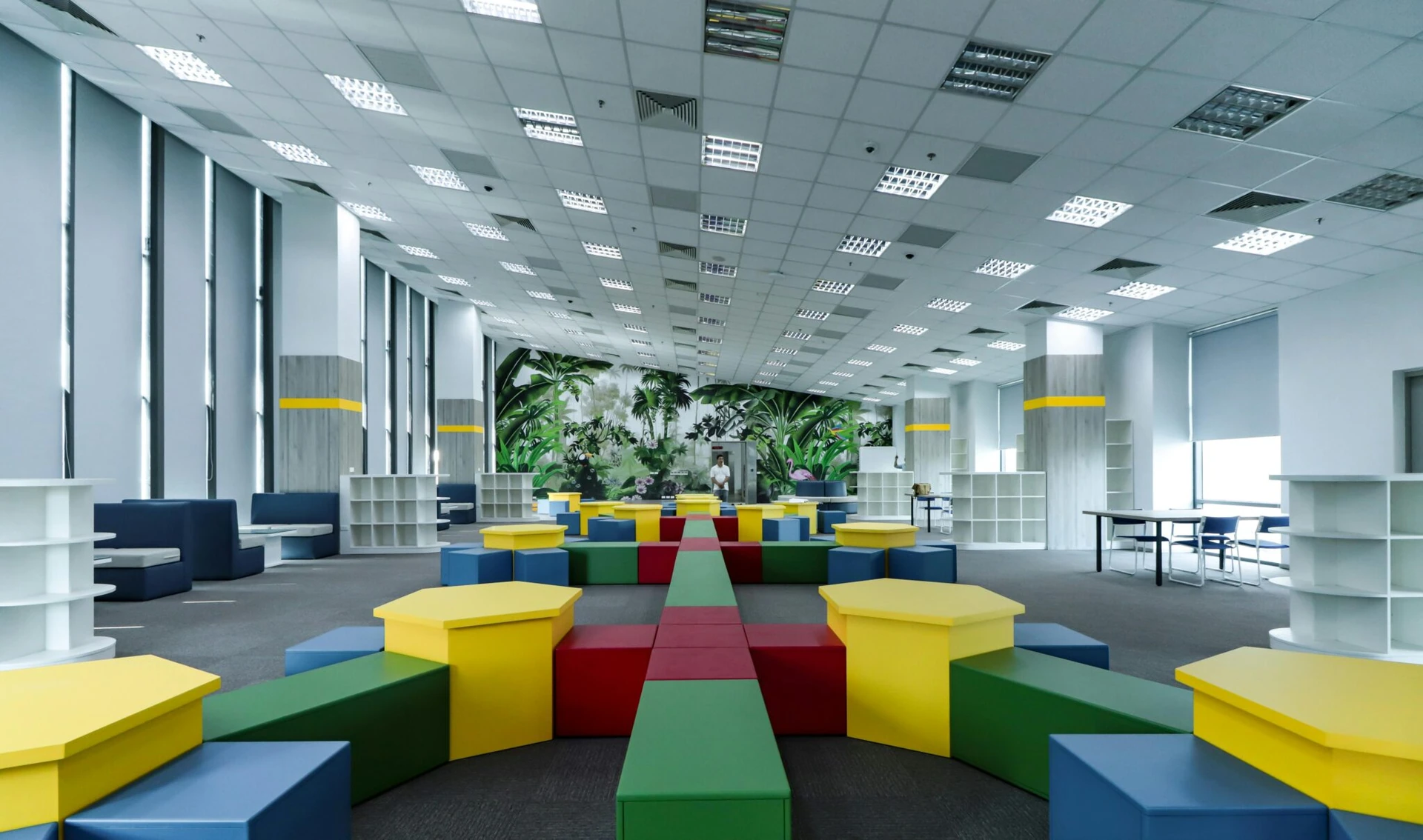
Collaboration Zones
Areas designed for meetings, networking, institutional partnerships and community interaction.
Areas designed for meetings, networking, institutional partnerships and community interaction.
Functional components
Presentation & Demo Areas
Spaces where projects, ideas, prototypes and outcomes can be presented to stakeholders, partners or potential supporters. A center cannot depend only on its opening event. It needs an operating model. OAA can structure how the center should function after launch: program calendar, user groups, partnership model, management logic, event rhythm, reporting system and long-term activity planning. This creates a center that is not only designed, but also capable of being used, managed and developed over time. Innovation centers often require collaboration between different stakeholders. OAA can help define how universities, municipalities, private companies, development institutions, sponsors, mentors, trainers, entrepreneurs and community groups may participate in the center’s ecosystem. The aim is to create a structure where partnerships are not only symbolic, but connected to real activity and measurable contribution. Innovation & Development Centers may be developed for municipalities, universities, private institutions, development projects, corporate innovation programs, entrepreneurship initiatives, youth development platforms, regional growth projects and public-private collaboration models. This service is relevant for institutions that want to create more than a physical space — they need a working platform for education, entrepreneurship, creativity, technology and project development.
Spaces where projects, ideas, prototypes and outcomes can be presented to stakeholders, partners or potential supporters.
A center cannot depend only on its opening event. It needs an operating model.
OAA can structure how the center should function after launch: program calendar, user groups, partnership model, management logic, event rhythm, reporting system and long-term activity planning.
This creates a center that is not only designed, but also capable of being used, managed and developed over time.
Innovation centers often require collaboration between different stakeholders.
OAA can help define how universities, municipalities, private companies, development institutions, sponsors, mentors, trainers, entrepreneurs and community groups may participate in the center’s ecosystem.
The aim is to create a structure where partnerships are not only symbolic, but connected to real activity and measurable contribution.
Innovation & Development Centers may be developed for municipalities, universities, private institutions, development projects, corporate innovation programs, entrepreneurship initiatives, youth development platforms, regional growth projects and public-private collaboration models.
This service is relevant for institutions that want to create more than a physical space — they need a working platform for education, entrepreneurship, creativity, technology and project development.
Commercial & institutional outcomes.
Commercial & institutional outcomes
Commercial & Institutional Outcome
The objective is to create centers that produce visible activity, structured programs and long-term value. A properly developed innovation center can support entrepreneurship, talent development, institutional visibility, community engagement, regional development and new project creation. OAA focuses on building centers that are not only impressive at launch, but capable of remaining active, useful and relevant after the opening stage. Innovation centers should not remain empty symbols. They should become working platforms for people, ideas and development.
The objective is to create centers that produce visible activity, structured programs and long-term value.
A properly developed innovation center can support entrepreneurship, talent development, institutional visibility, community engagement, regional development and new project creation.
OAA focuses on building centers that are not only impressive at launch, but capable of remaining active, useful and relevant after the opening stage.
Innovation centers should not remain empty symbols. They should become working platforms for people, ideas and development.
Connected capabilities.
Projects can bring together more than one development area.